The Free Trial Illusion: How to Tell a Genuine Preview From a Conversion Trap
Let's be honest about something the software industry doesn't love to advertise: a huge chunk of what gets marketed as a "free trial" isn't really a trial at all. It's a funnel.
That's not a cynical take — it's just how a lot of SaaS businesses are built. The goal of a free trial, from a pure growth-hacking perspective, is not to let you evaluate the product. It's to reduce the friction between you and a billing relationship. There's a difference, and it matters.
This piece is about learning to spot that difference before you've handed over your credit card, signed up for an annual plan you didn't fully understand, or spent three weeks in a tool only to realize the feature you actually needed was locked behind a tier you can't afford.
Why Free Trials Are Designed the Way They Are
SaaS companies live and die by metrics like trial-to-paid conversion rate and time-to-value. The faster they can get you to experience something that feels useful — even superficially — the more likely you are to convert. That's not inherently evil. But it creates incentives that don't always align with your interests as a potential customer.
Some of the more common tactics you'll run into:
The artificially shortened window. A seven-day trial for a tool that takes two weeks to properly integrate and evaluate isn't really a trial. It's a countdown clock designed to create urgency before you've had a chance to form an honest opinion.
The feature sandcastle. You get access to a beautifully designed interface with just enough functionality to feel impressive — but the features that would actually tell you whether the tool fits your workflow are behind a paywall. You don't discover this until day six of your seven-day trial.
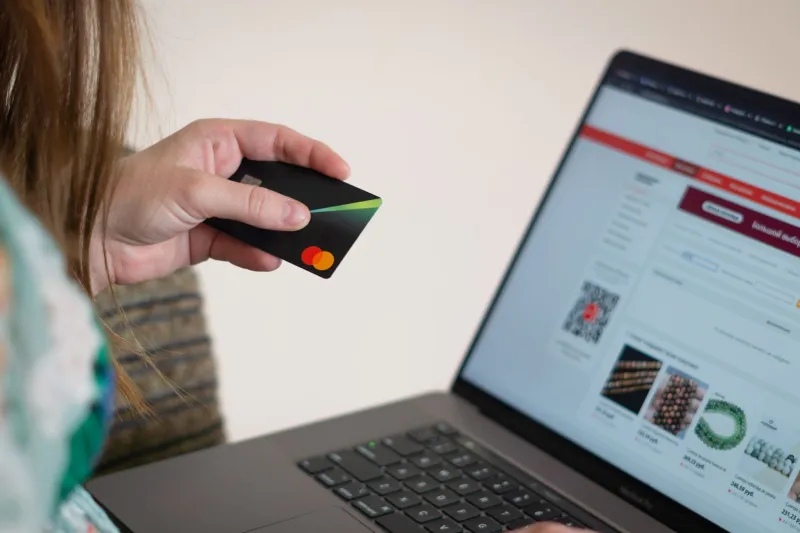
The credit-card-first model. Requiring a credit card upfront to access a "free" trial is a well-documented conversion tactic. The data is clear: most people don't cancel even when they mean to. Companies know this. That's why they do it.
The onboarding illusion. Some tools invest heavily in making the first 20 minutes feel magical. Slick walkthroughs, pre-populated demo data, celebration animations when you complete a task. It's designed to create a positive emotional response before you've done anything real with the product.
None of this is illegal. Some of it is even understandable from a business standpoint. But as a consumer — especially one making purchasing decisions for a small business or startup — you deserve to go in with your eyes open.
The Spell-Check Framework: 6 Questions Before You Commit
We put together a quick checklist — call it a spell-check — that you can run through before starting any free trial. It won't take long, and it'll save you from a lot of post-cancellation headaches.
1. Does it require a credit card upfront?
Not a dealbreaker on its own, but it's a yellow flag. Ask yourself: why does this company need my payment info before I've decided I want the product? If the answer is "to reduce churn from low-intent signups," that's their interest, not yours. Look for trials that explicitly say no credit card required — those companies are betting on the product doing the selling.
2. Is the trial long enough to actually evaluate the tool?
Think about your specific use case. If you're evaluating a project management tool, you need enough time to run at least one real project through it. If it's a customer support platform, you need to see how it handles actual volume. Seven days is rarely enough for anything that requires integration or team adoption. Fourteen to thirty days is more honest.
3. Are the core features available during the trial?
This is the big one. Read the fine print on what's included. If the feature that made you interested in the product in the first place is listed as a "Pro" or "Enterprise" feature, you're not trialing the product — you're trialing a demo version of it. That's a different thing.
4. Is there transparent pricing on the website?
If you have to book a call or "contact sales" just to find out what the thing costs, that's a signal. Transparent pricing is a sign of a company that respects your time and doesn't need to hide the number until they've softened you up. It's not universal — enterprise software legitimately varies by use case — but for SMB-focused tools, it should be standard.
5. What does the cancellation process look like?
This one's easy to test. Google "[product name] how to cancel" before you sign up. If the top results are Reddit threads and complaint forums with titles like "I can't figure out how to cancel," that tells you something important about how this company treats customers who've decided to leave.
6. Is there a genuine onboarding path or just a highlight reel?
Good trials walk you through real use cases. They show you what it looks like when the tool is actually embedded in your workflow — not just what it looks like in a controlled demo environment. If onboarding is all polish and no substance, be skeptical.
What a Genuinely Good Trial Looks Like
For contrast, here's what the honest ones tend to do: they give you enough time, enough features, and enough support to form a real opinion. They don't hide pricing. They don't guilt you with countdown timers. They make cancellation simple because they're confident that the product will do the convincing.
Tools like Airtable, Linear, and Mailchimp have historically done this reasonably well — you can get meaningful work done during the trial period without constantly bumping into paywalls. That's the benchmark worth holding other products to.
The Bigger Picture
The SaaS industry has a trust problem, and free trial design is a big part of why. When the default assumption among savvy buyers is that a free trial is probably a trap, that's not good for anyone — including the companies building genuinely useful products.
At Cadabra, we think software should earn your attention honestly. A good tool doesn't need to trick you into loving it. It just needs to show you what it can do — clearly, fairly, and with enough room to actually find out.
Next time a shiny new SaaS tool lands in your inbox promising to change your life for free, run it through the spell-check. You might be surprised how quickly you can separate the real magic from the smoke and mirrors.